
Standard Wound Absorbent Pad
Standard Medical Wound Absorbent Pad (Rayon/Polyester Blend)
Product Features
- ●Standard water absorption, meeting conventional wound care needs
- ●Dual-layer anti-adhesion structure, comfortable dressing change
- ●Stable material, not easy to deform
- ●Ultra-high cost-performance, suitable for mass production
- ●Soft, skin-friendly, breathable and hypoallergenic
- ●Strong processing adaptability
Product Details
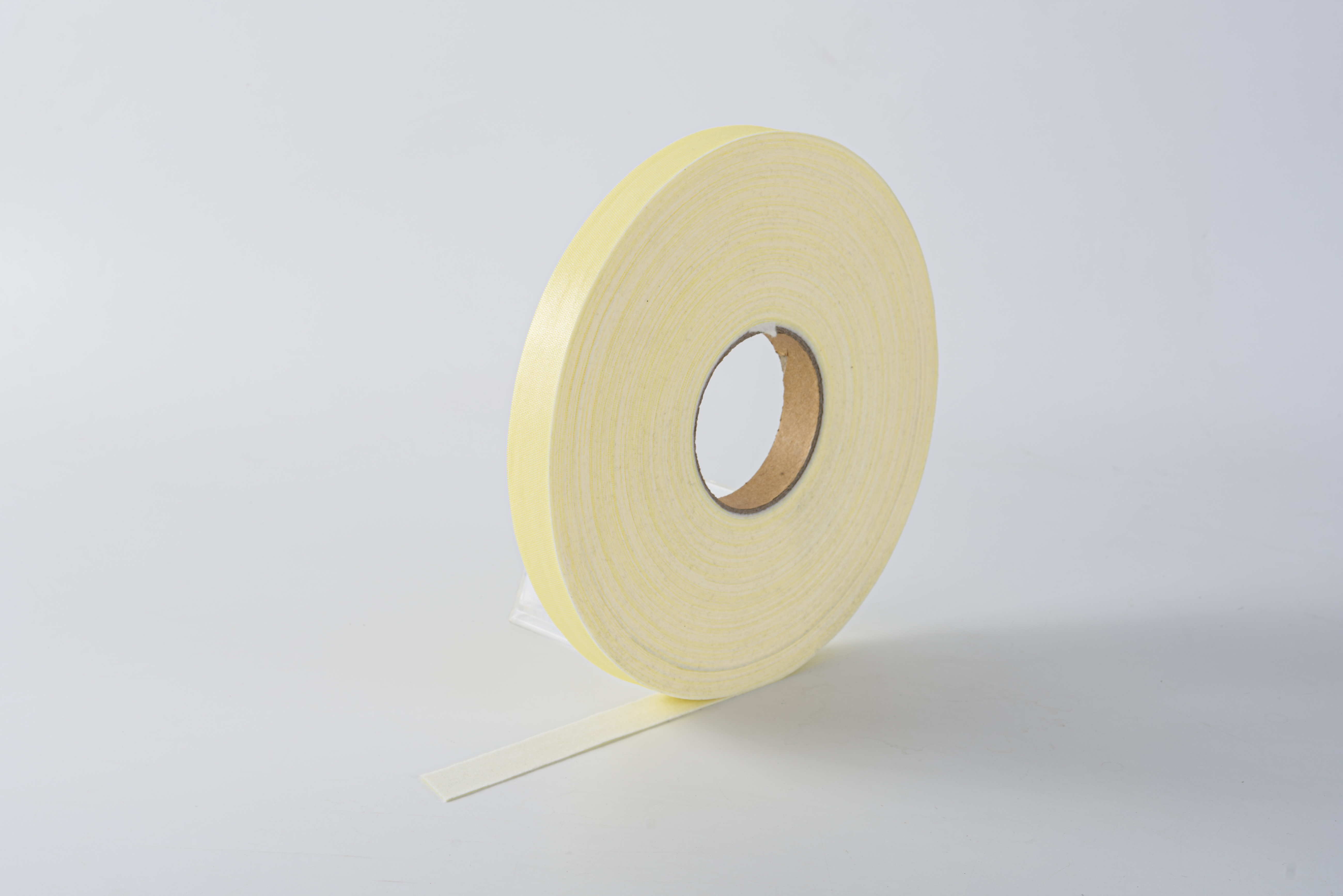
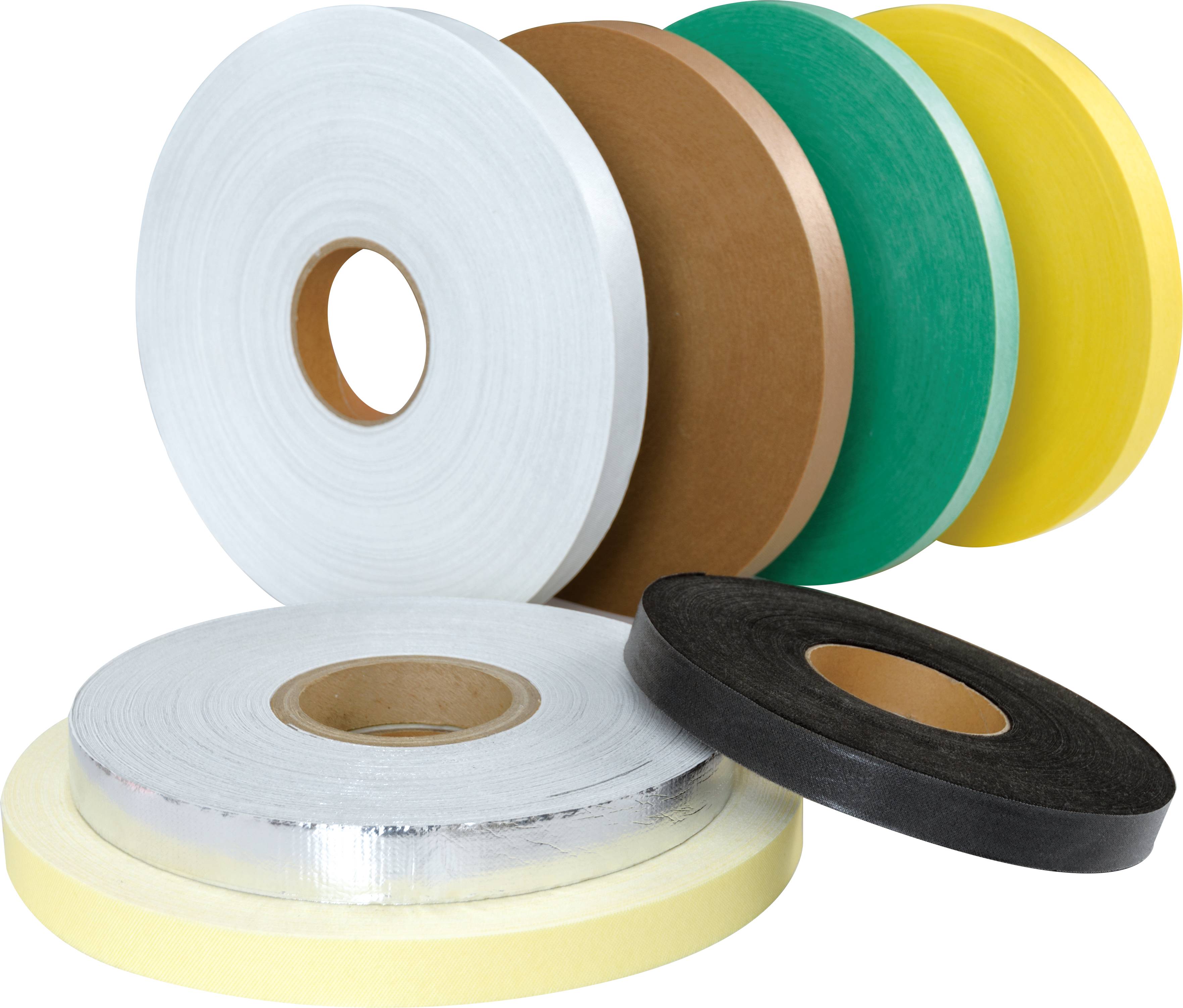
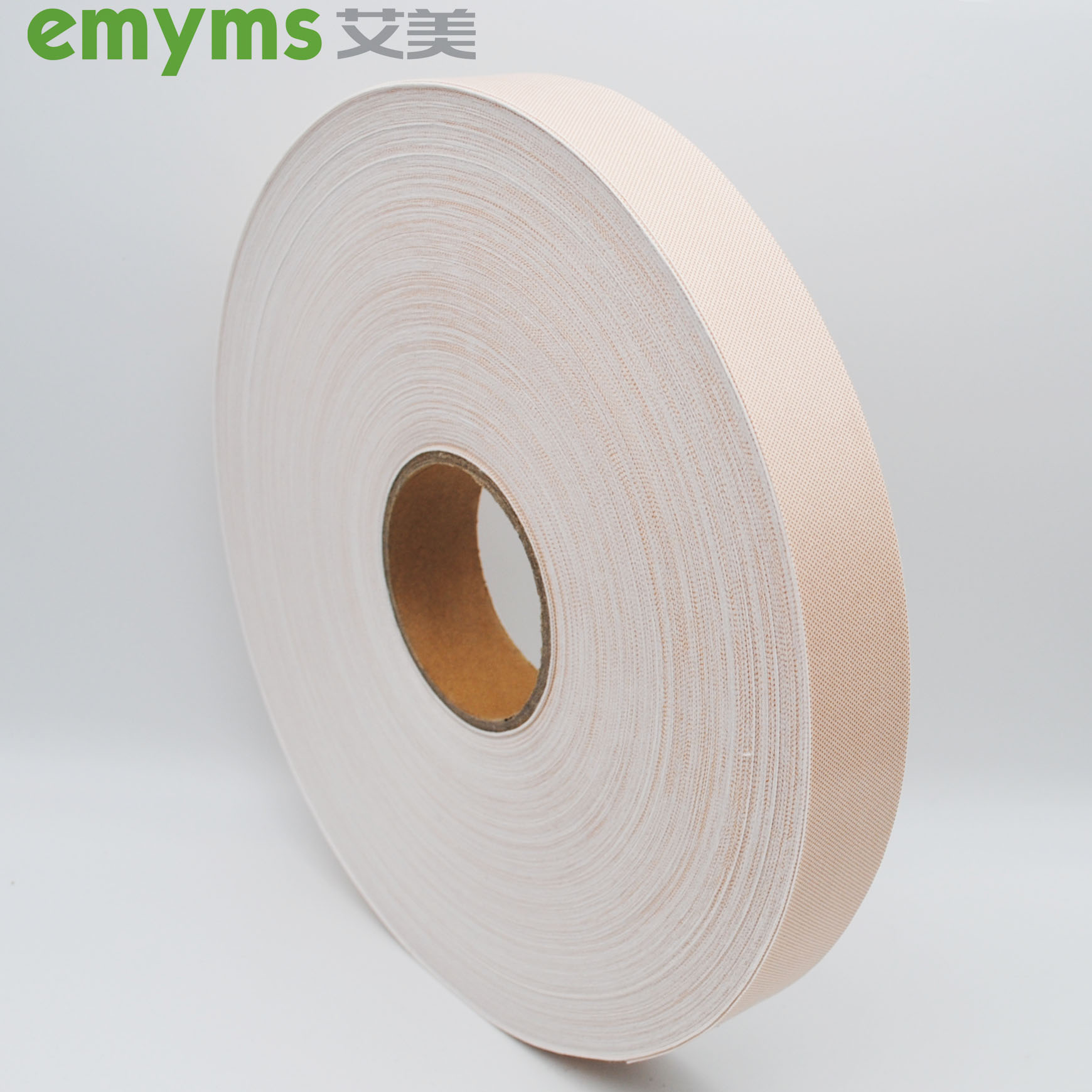
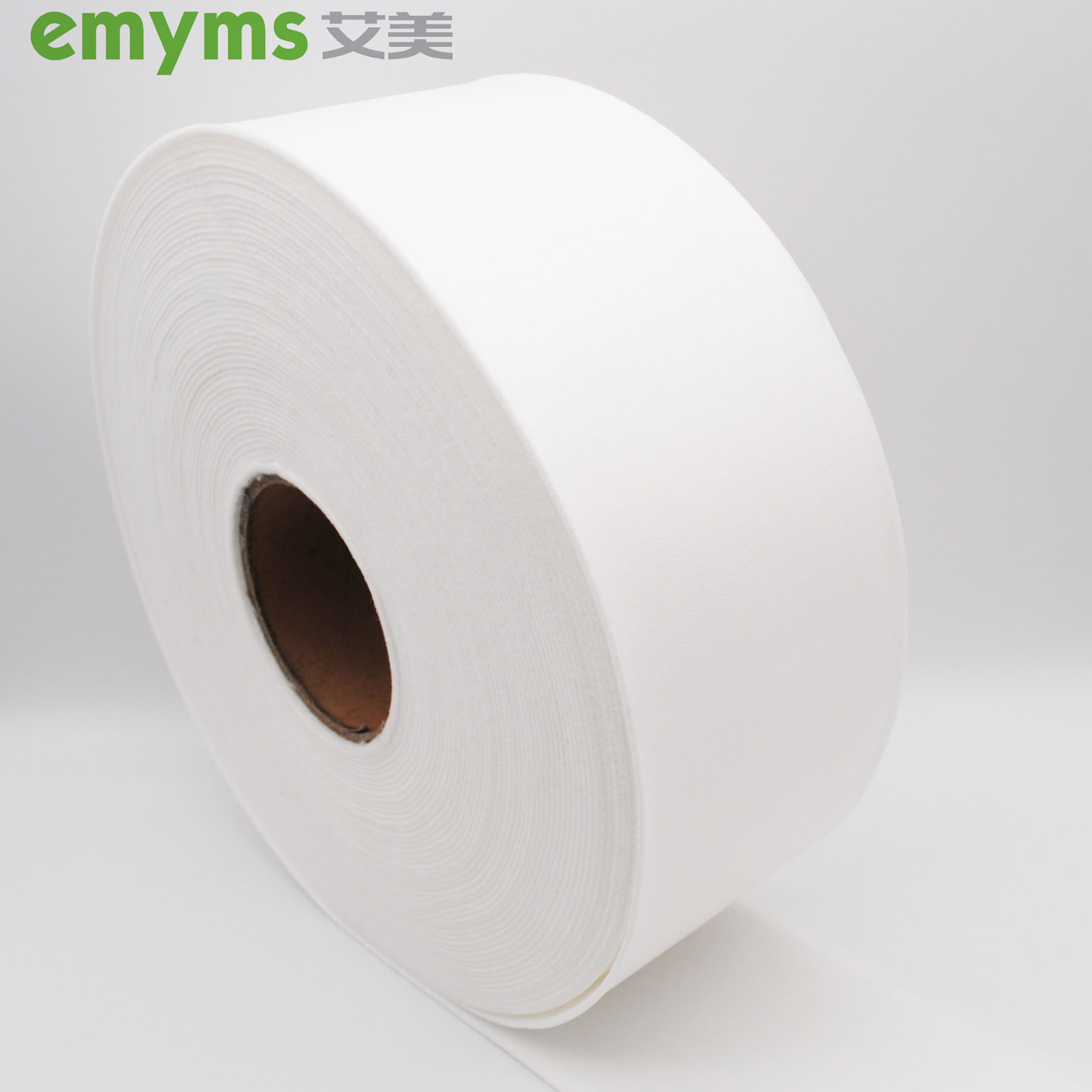
The Standard Medical Wound Absorbent Pad is a structurally simple, highly cost-effective basic wound absorption substrate, designed for general-purpose wound exudate absorption and protection. The product uses a classic rayon (viscose fiber) + polyester blend as the core absorption layer, combined with a dual-layer composite structure: a surface PE anti-adhesion mesh film and an inner blend absorbent cotton core. With no complex processing, the structure is stable, cost-controllable, and widely adaptable. The substrate leverages the excellent hydrophilic absorption of rayon and the high-strength shaping properties of polyester, balancing absorption performance with structural resilience. Standard absorption ratio reaches 8x or above, fully compatible with bandage strips, standard dressing patches, and superficial wound care pads. It is the most versatile and cost-efficient basic absorbent material in the medical dressing industry.
II. Structure and Working Principle
Dual-layer integrated composite structure with clear functional division and reliable stability
1. Surface PE anti-adhesion mesh film: Fine, transparent mesh structure that is skin-friendly and non-adherent to wounds. It isolates granulation tissue from the wound, preventing dressings from sticking and tearing during changes — ensuring painless, non-traumatic dressing removal. It also guides exudate to quickly penetrate into the inner layer, preventing surface pooling.
2. Inner rayon + polyester blend absorbent cotton core: Rayon provides excellent hydrophilic liquid absorption and water storage capacity, ensuring sufficient absorption volume. Polyester fibers reinforce overall tensile strength and structural stability, effectively preventing clumping, deformation, delamination, and fiber shedding after absorption. The fabric remains flat and durable, suitable for high-speed mass production processing.
✅ Standard water absorption, meeting conventional wound care needs
Scientifically proportioned blend fibers deliver stable hydrophilic performance with a saline absorption ratio of ≥8x, quickly absorbing superficial wound exudate and minor bleeding. Water is locked in without rewet, meeting basic care needs for everyday injuries and post-operative minor wounds.
✅ Dual-layer anti-adhesion structure, comfortable dressing change
The specialized PE mesh film prevents wound adhesion, solving the pain and fiber residue issues of ordinary cotton pads. Suitable for delicate skin and long-term application on superficial wounds.
✅ Stable material, not easy to deform
Reinforced by polyester fibers, it offers higher tensile strength than pure rayon fabric. It resists collapse, clumping, and loosening after absorption, with minimal fiber shedding during slitting, die-cutting, and lamination — ensuring high yield rates.
✅ Ultra-high cost-performance, suitable for mass production
Simple structure, mature substrate, no complex functional processes — raw material costs are controllable with strong mass production stability. It is the preferred economical substrate for bandage strips, standard dressing patches, and home care consumables.
✅ Soft, skin-friendly, breathable and hypoallergenic
The fabric is fluffy, soft, and细腻 to the touch with good breathability. Free of fluorescent agents and irritants, it meets biocompatibility standards and does not cause skin stuffiness or allergies during long-term application.
✅ Strong processing adaptability
Rolls feature high flatness and uniform toughness, compatible with all standard dressing production lines. They can be freely slit, die-cut, adhesive-backed, and film-laminated for standardized batch production.
IV. Reference Technical Specifications (Standard Model)
Core Material: Rayon (viscose fiber) + polyester blend fiber
Product Structure: PE anti-adhesion mesh film + blend absorbent cotton core, dual-layer composite
Standard Absorption Ratio: ≥8x (normal temperature saline test)
Weight Range: 60–400 g/m² (full range of standard bandage dressing specifications)
Thickness Range: 0.3–3.0 mm
Product Form: Rolls, sheets, custom-cut sizes
Standard Color: Pure white
Process Features: Flat with no spots, no fiber shedding, no delamination, uniform and stable absorption
1. Standard medical consumable substrate: Absorbent inner core for all types of standard bandage strips, medical dressing patches, and wound hemostatic patches
2. Superficial wound care: Daily abrasions, cuts, minor scratches, and small-area skin breakage with exudate absorption
3. Post-operative minor wound care: Minimally invasive surgical incisions, needle puncture wounds, and superficial sutured wound protection
4. Home care essentials: Family first-aid care, daily minor skin injury moisture protection
5. Basic medical bandage padding: Gauze combined with absorbent pads, standard bandaging inner absorbent layers
This is a basic universal medical absorbent pad, differentiated from SAF, CMC, alginate, silver-ion, and other high-end functional absorbent materials. It focuses on stability, sufficiency, and high cost-performance, targeting ordinary wounds and low-exudate scenarios. It perfectly meets the mass production needs of mainstream medical dressings and is the core substrate for dressing enterprises' standardized, high-volume products. For special functions such as antibacterial, high absorption, gel water-locking, or pressure-relief breathability, upgrade to the corresponding functional absorbent pad series.
We support customization of weight, thickness, and dimensions, with optional embossing, perforation, and antibacterial compound processing upgrades. We provide free sample prototyping, performance testing, and batch production services, along with complete technical specifications, SDS material reports, and compliance documentation, meeting domestic and international mass production and export order requirements for mid-to-high-end medical dressings.